AI Search
What is llms.txt? Complete Guide for AI Search and AI Agents
Learn what an llms.txt file is, how it works, whether it helps AI search, and how to create an llms.txt file for your website in minutes.
May 25, 20269m
Read article

Co-Founder & Chief Product Officer at DareAISearch
Siddhant Jain is the Co-Founder & Chief Product Officer at DareAISearch, a managed AI discovery solution helping brands understand how they are discovered, cited, and recommended across AI search engines like ChatGPT, Gemini, Perplexity, Google AI Overviews, and more.
He has 12+ years of experience across SEO, performance marketing, growth strategy, analytics, and generative engine optimization, having worked with brands across D2C, retail, BFSI, healthcare, SaaS, and enterprise categories.
Learn what an llms.txt file is, how it works, whether it helps AI search, and how to create an llms.txt file for your website in minutes.
Google I/O 2026's Chrome announcements — WebMCP, Gemini in Chrome, auto browse, and Lighthouse Agentic Browsing audits — mark the rise of the agentic web. Here's what AI Agent Readiness means for SEO, GEO, and brand visibility.

Google I/O 2026 confirmed AI Search is mainstream. Use this 13-point readiness checklist to see if your brand is ready for AI Mode, AI Overviews, Ask YouTube, Ask Maps, Search Agents, and agentic commerce.
OpenAI's Businesses in ChatGPT adds profiles, insights and eligible Business Agents. Here is what brands should prioritise beyond simply claiming a listing.
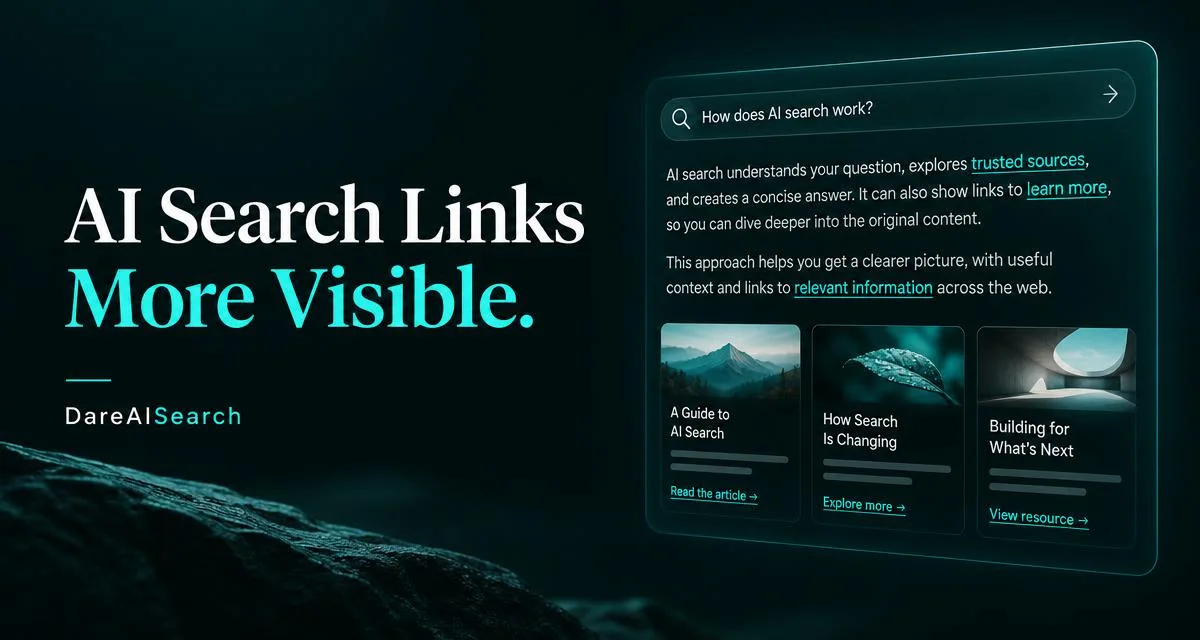
Google is changing how links appear in AI Mode and AI Overviews. Understand the five changes, rollout versus tests, and a practical brand measurement and action plan.
Indian festive shopping is becoming more AI-led. Here is how D2C brands should adapt discovery, product information, reviews, feeds, content and measurement before shoppers make decisions inside AI assistants.

Google Search Console can now report traffic from Lens, Circle to Search, image uploads and Search this image. Here is what brands should measure and optimize next.
ChatGPT citation behavior can change quickly. Here is why brands should build GEO around citation resilience across sources, prompts, engines and time instead of betting on one platform or publisher.
Google has expanded aggregator and supplier units to local business queries in the EEA. Here is what brands, directories and local businesses should understand and do next.
Google Search Profiles and Preferred Sources add an audience preference layer to discovery. Here is what brands should understand, test and measure next.
Gemini 3.8 signals a shift from isolated search queries to contextual conversations. Here is what that means for AI visibility, journey tracking and brand decision intelligence.
GEO can drive revenue, but not through a single metric. Here is how brands should connect AI visibility to referral traffic, qualified demand, leads, assisted conversions and sales.
AI visibility is becoming a CMO-level metric. Here is the scorecard brands should use to measure discovery, recommendations, citations, representation and business impact across AI search.
ChatGPT Ads are now live across India, Europe and MENA, hitting a $1B annualized run rate. But buying an ad does not get your brand recommended. Here's why organic AI visibility matters more than ever.
Google has confirmed that Business Profiles can help businesses appear in generative AI responses. Here's what that means for AI Search visibility and what brands should do next.

GPT-6 could change how ChatGPT evaluates, compares and recommends brands. Here's what the move from retrieval to decision-making means for AI Search Optimization, GEO and brand visibility.

Google now applies only one pass of HTML unescaping when extracting JSON-LD. Correct implementations need no change, but sites producing double-escaped entities should audit their schema generation layer now.

Anthropic says supported Claude models will embed invisible, machine-readable watermarks into AI-generated text. Here is what AI-content provenance means for SEO, GEO and the shift from ranking pages to becoming a cited source.
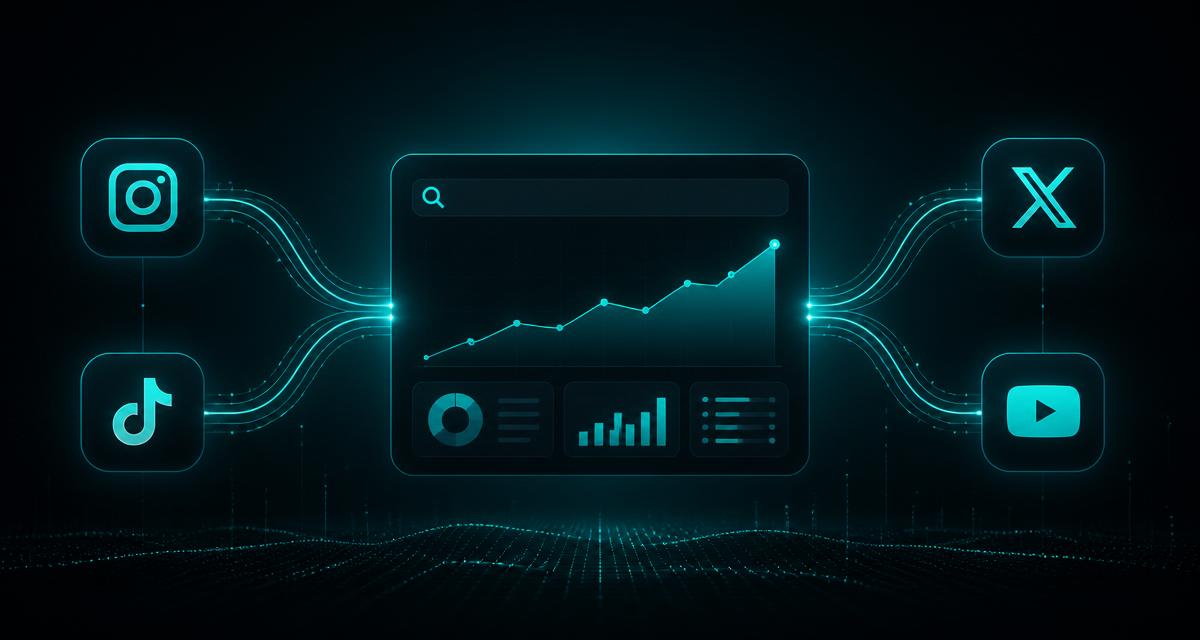
Google Search Console now lets brands and creators track how Instagram, TikTok, X, and YouTube content performs on Google Search and Discover through a new Platform Properties property type. Here's what changed and why multi-surface search visibility matters.

Discover how AI search is changing the digital lending borrower journey, from loan research and eligibility checks to lender comparison, trust, and application decisions.

Consumers increasingly ask ChatGPT, Gemini, Perplexity, and Google AI Overviews which supplements to take, trust, compare, and buy. Learn what this AI-led buying journey means for nutraceutical and supplement brands.

Your customers are no longer only Googling supplements. They are asking AI what to buy. Learn how nutraceutical and supplement brands can win visibility, citations, and recommendations across ChatGPT, Gemini, Perplexity, and other AI search platforms.
Your brand ranks on Google, yet AI assistants name your competitor first. That is the Brand Recommendation Gap-and here is how to close it and earn a stronger share of recommendation in AI search.
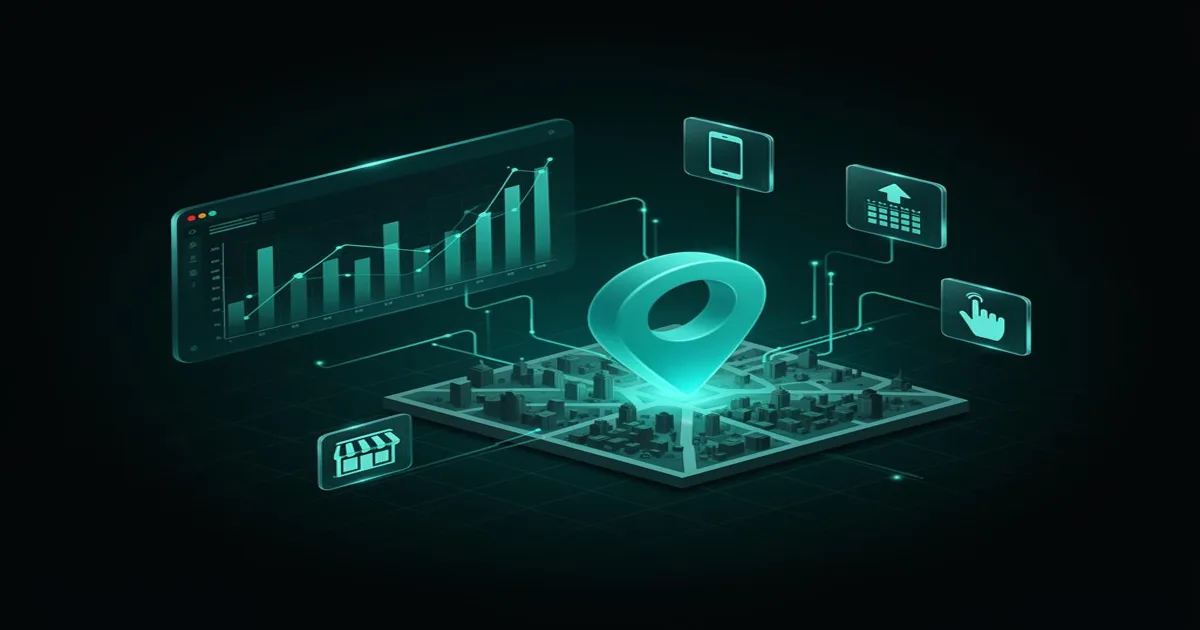
Google Analytics 4 now links natively with Google Business Profile, bringing local actions like calls, directions, and bookings into GA4. Here is why this matters for local search and AI visibility.

Google's new Search profiles let publishers and creators highlight their work on Search. Here's why this entity-level update is a major signal for SEO, GEO, and AI Search visibility.

Google Search Console's new Generative AI Performance Report shows how your site appears in AI Overviews and AI Mode. Here's what it means for brands and how to respond.
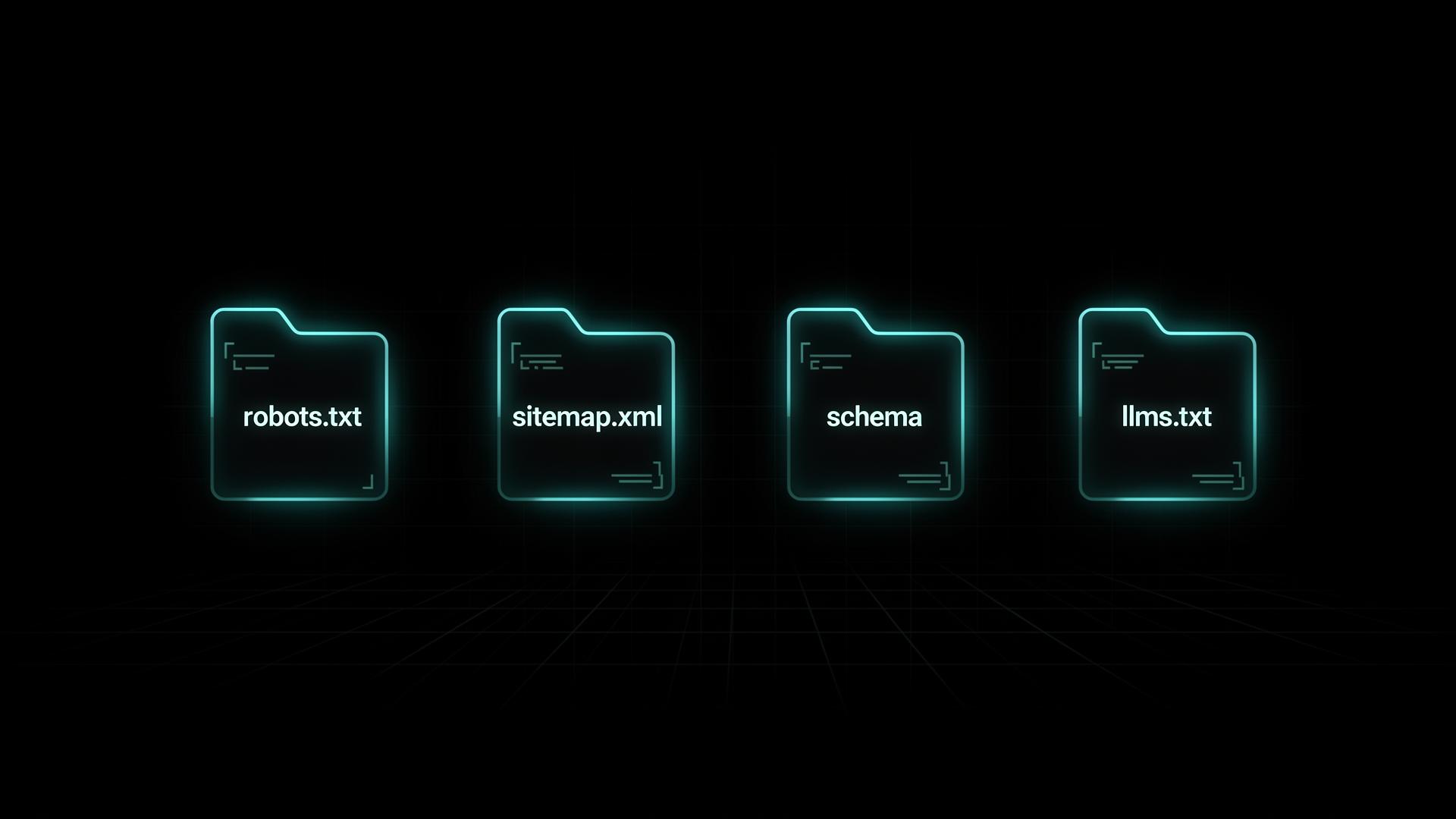
Understand how robots.txt, sitemap.xml, schema markup, and llms.txt work together to make your website both search-readable and AI-readable.
Learn how to create an llms.txt file for your website, what to include, where to upload it, and how to generate one free with DareAISearch.
Learn what an llms.txt file is, how it works, whether it helps AI search, and how to create an llms.txt file for your website in minutes.
Google I/O 2026's Chrome announcements — WebMCP, Gemini in Chrome, auto browse, and Lighthouse Agentic Browsing audits — mark the rise of the agentic web. Here's what AI Agent Readiness means for SEO, GEO, and brand visibility.

Google Marketing Live 2026 announced Gemini-powered ads for AI Mode: Conversational Discovery Ads, Highlighted Answers, AI Shopping Ads, Business Agent for Leads, and Direct Offers. Here's what it means for SEO, GEO, and AI search visibility.
Google I/O 2026 confirmed AI Search is mainstream. Use this 13-point readiness checklist to see if your brand is ready for AI Mode, AI Overviews, Ask YouTube, Ask Maps, Search Agents, and agentic commerce.
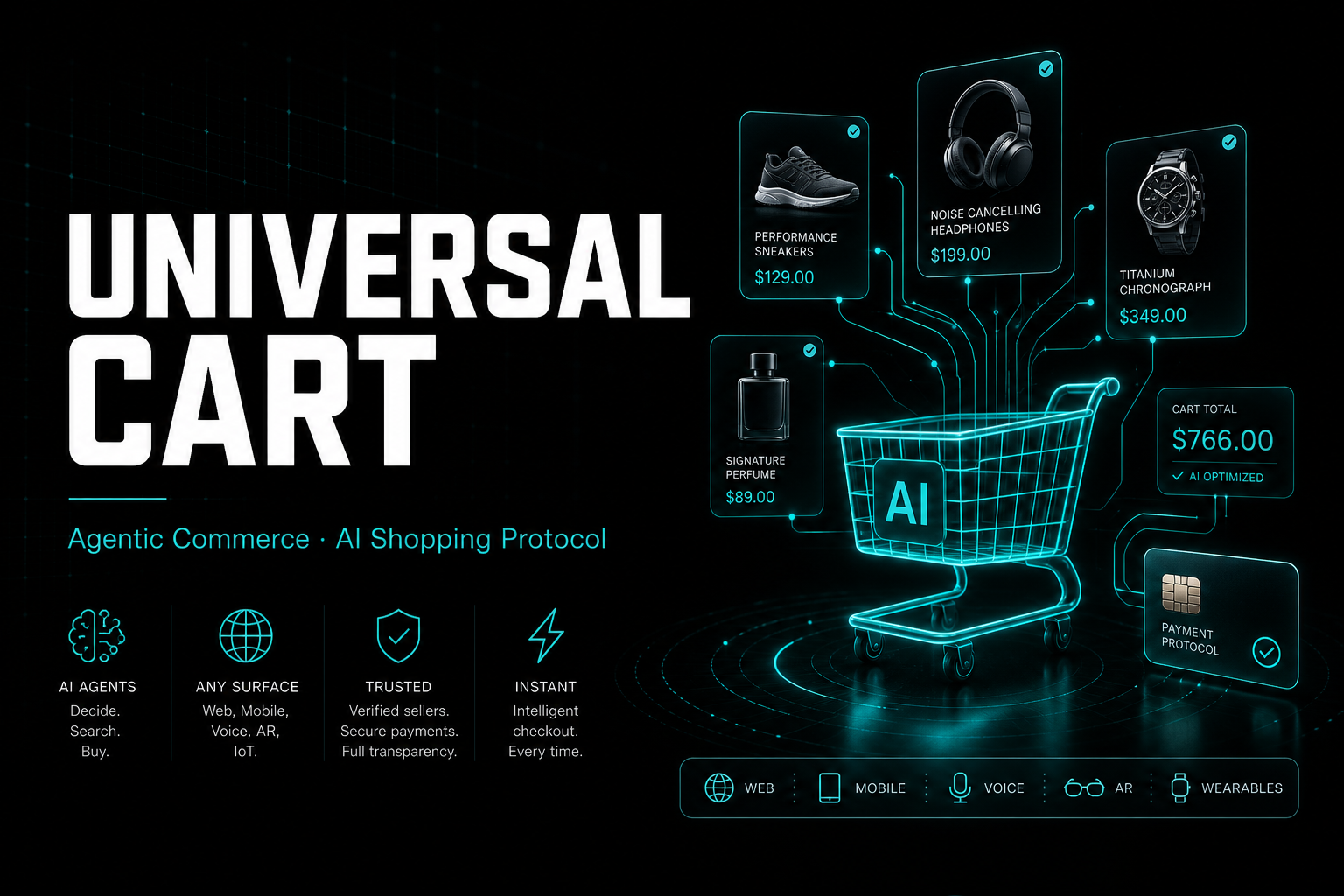
Google's Universal Cart, Universal Commerce Protocol, and Agent Payments Protocol show that shopping is moving into AI Search. Learn what D2C, e-commerce, retail, and marketplace brands must do to win the agentic commerce era.
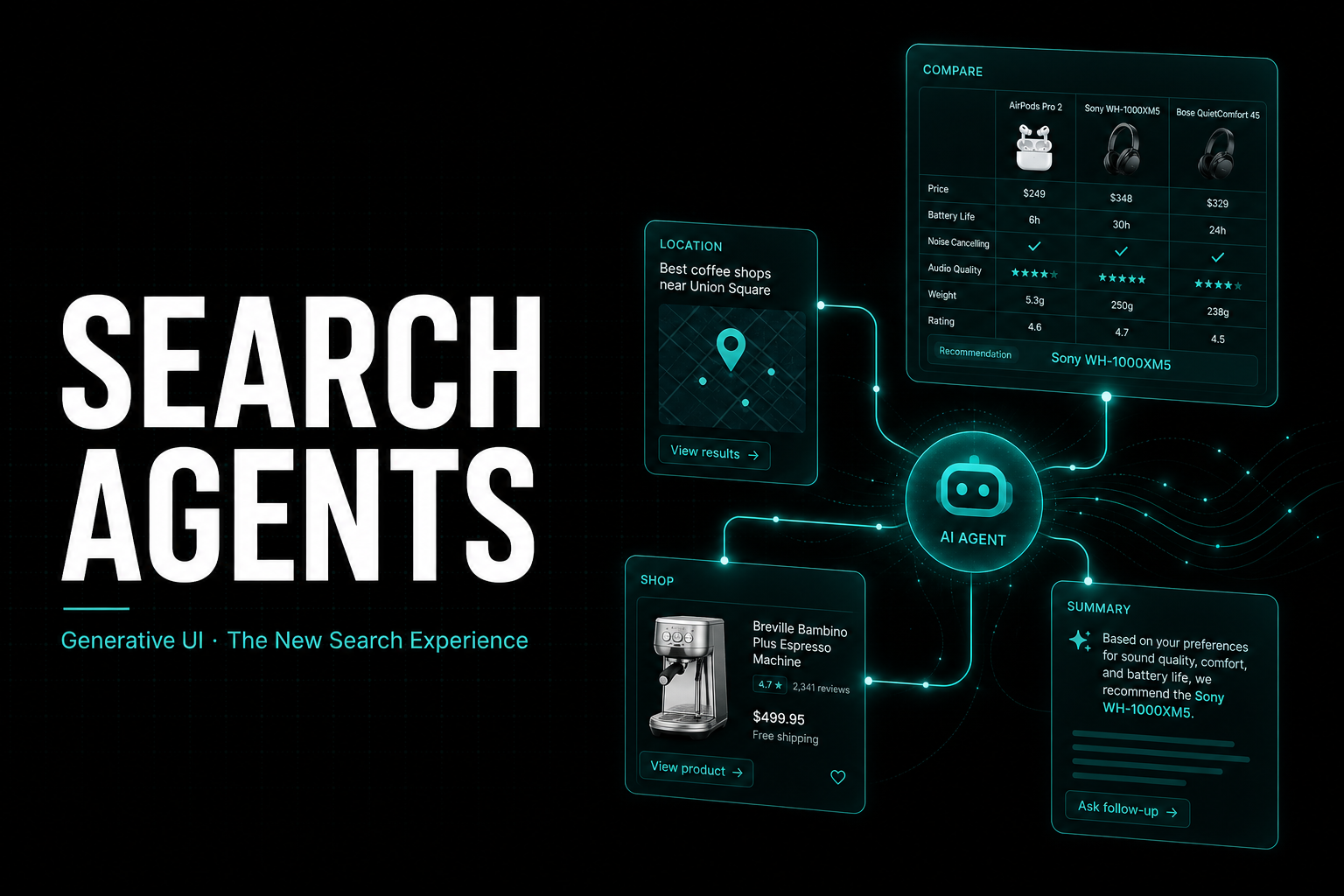
Google Search is becoming more agentic, personalized, and dynamic. Learn what Search Agents and Generative UI mean for SEO, GEO, AI Search optimization, and brand visibility in the AI-led decision journey.
Ask Maps is changing local discovery by making Google Maps conversational and AI-led. Learn what local brands, clinics, restaurants, stores, and service businesses must do to win in the new intent-led local search era.
Google announced Ask YouTube at I/O 2026, turning YouTube into a conversational AI answer surface. Here is why brands must evolve YouTube SEO into AI Video Search Optimization — with question-led structure, chapters, transcripts, entities and creator visibility.
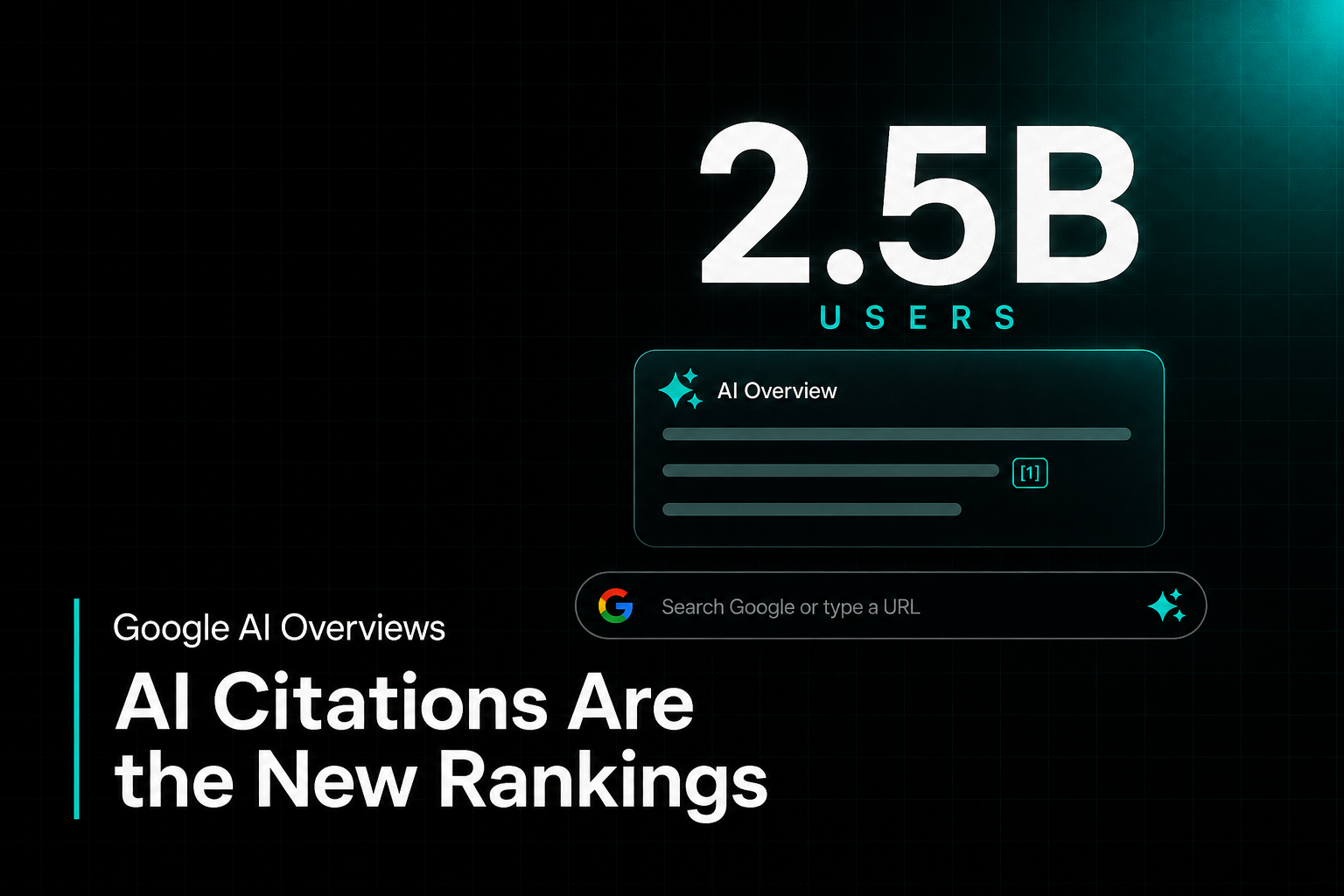
Google AI Overviews now reaches 2.5 billion monthly users. Here is why brands need to track AI citations, mentions, sentiment, competitor visibility, and source influence.
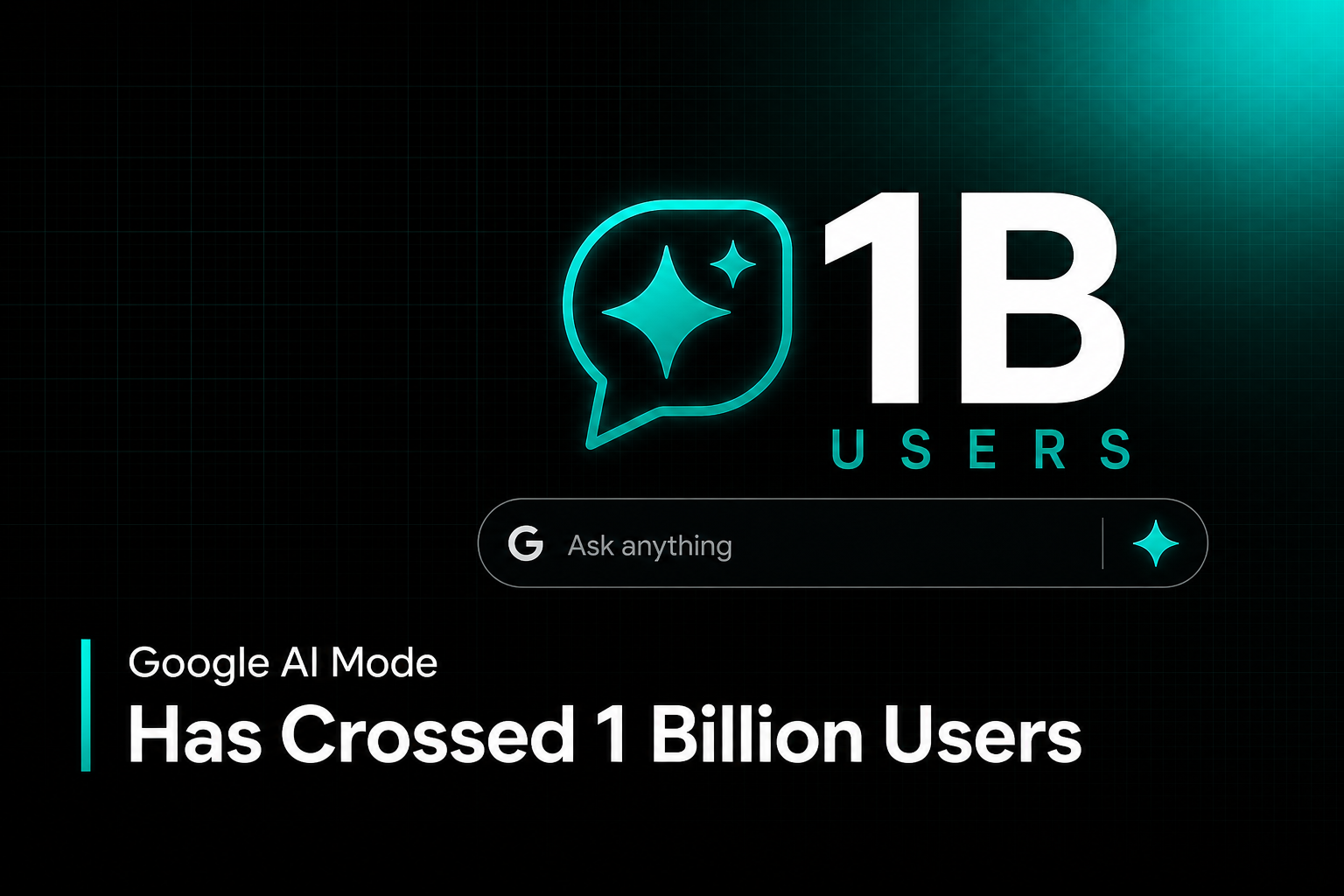
Google AI Mode has crossed 1 billion monthly users. Learn why brands must move from keyword tracking to AI prompt visibility, citations, sentiment, and recommendations.
Google I/O 2026 confirmed Search is becoming an AI decision layer. Here is what AI Mode, AI Overviews, Search agents, generative UI, Ask YouTube, Ask Maps, and agentic commerce mean for brand visibility.
Google's official AI optimization guide confirms SEO is evolving into GEO. Here's what it means for AI Overviews, AI Mode, AEO, and brand visibility in AI search.
Google Analytics has introduced a new AI Assistant channel to track traffic from ChatGPT, Gemini, Claude, and other AI assistants. Here is what this means for brands and why AI search visibility is now a measurable growth channel.
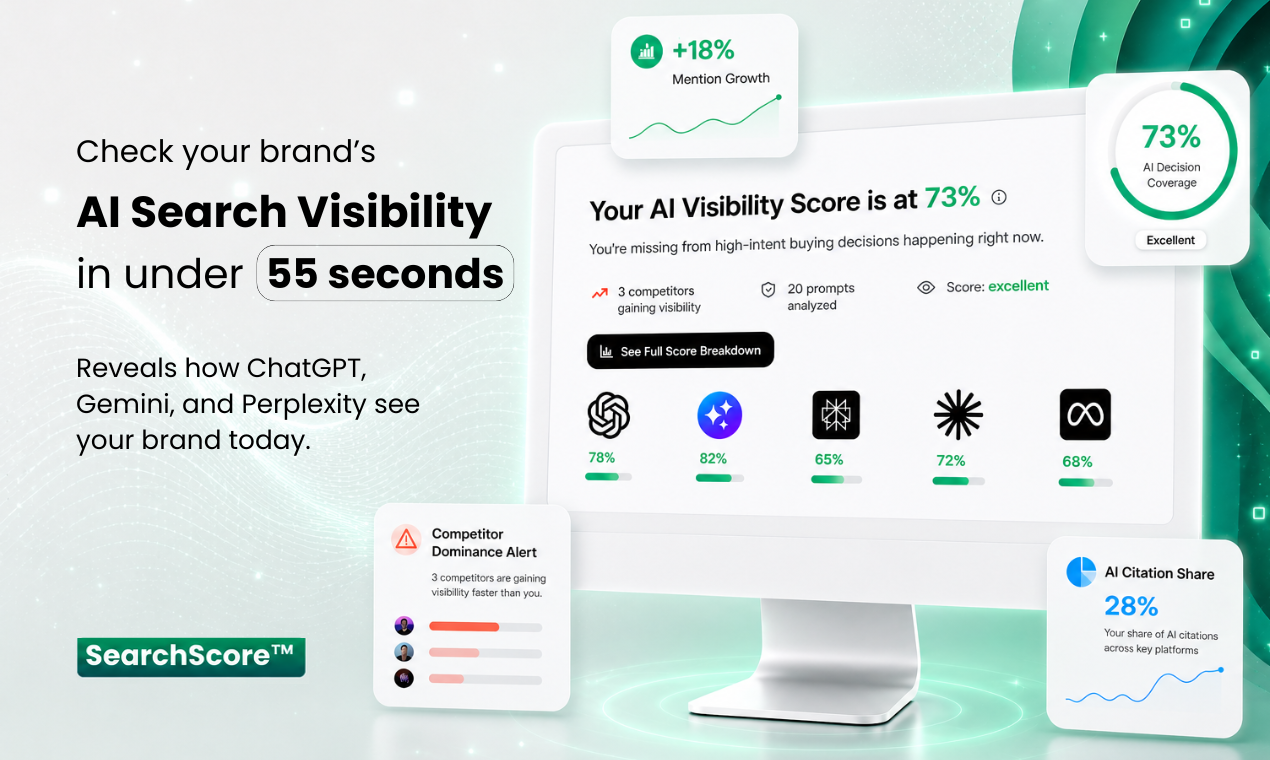
SearchScore™ is now live on Product Hunt. Discover how our free AI visibility checker helps brands understand their presence across ChatGPT, Gemini, and Perplexity.
Google announced five new updates to AI Mode and AI Overviews on May 6, 2026, focused on original content, trusted sources, citations, and firsthand perspectives. Here is what it means for brands, publishers, and SEO teams.
Google is removing FAQ rich results from Search in 2026. But for AI Search, Answer Engine Optimization, and GEO, well-built FAQs are more important than ever. Here is what brands should do.
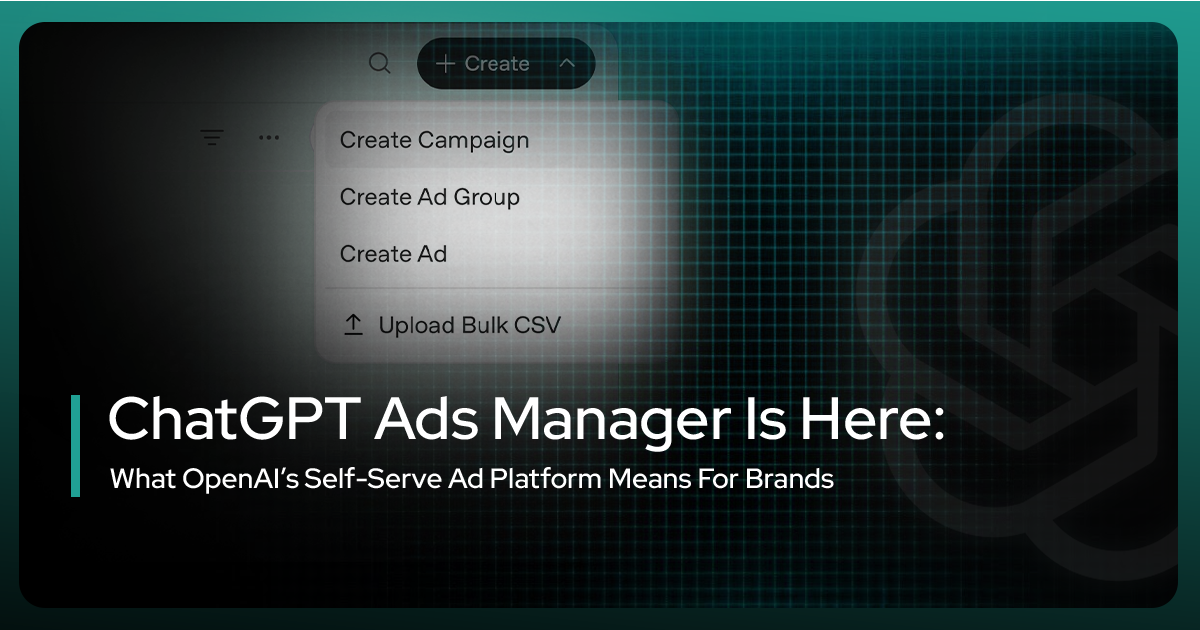
OpenAI launched a beta self-serve ChatGPT Ads Manager on May 5, 2026 with CPC bidding and conversion measurement. Here's what it means for brands and how to combine paid AI placements with GEO.
Google Search is evolving with AI Overviews and AI Mode. Learn how AI is reshaping SEO, why GEO matters, and how brands can win visibility, citations, and recommendations across AI-powered search in 2026.
OpenAI's GPT-5.5 may not look like a search release but it could be one of the most important. Here's how it reshapes intent, synthesis, and decision-making in AI search.
AI search visibility is no longer about rankings or clicks - it's about whether your brand is mentioned, cited, or recommended inside AI-generated answers. Learn the tools, metrics, and frameworks to track and improve your presence across ChatGPT, Google AI Overviews, Gemini, and Perplexity.
We analyzed 6 months of real-world AI search data across Indian brands to uncover which sources AI engines like ChatGPT, Gemini, and Perplexity actually trust and cite. The result is the AI Citation Index - a new benchmark for AI-driven search visibility.
The way people search the internet is changing faster than ever. AI platforms such as ChatGPT, Perplexity, Gemini, and AI Overviews analyze web content and generate direct answers instead of links. GPT-5.4 introduces significant improvements in web search capabilities.
Microsoft announced AI Performance reporting inside Bing Webmaster Tools. This update introduces a new layer of visibility for publishers: tracking how often content is cited in AI-generated answers across Bing and Microsoft Copilot.
ChatGPT Ads mark a turning point that brands can't afford to ignore. With OpenAI formally introducing advertising into ChatGPT, we're entering a new era where AI Search, discovery, and monetization converge.
OpenAI has announced ChatGPT 5.3, marking another major step forward in how large language models reason, synthesize information, and assist users in making decisions. AI Search is evolving from information retrieval to decision intelligence.
With the launch of ChatGPT Health, OpenAI has formally introduced a health-focused AI experience designed to help users understand medical information. This marks the beginning of a new AI-first healthcare discovery era.
AI search engines reward structured, factual, and concise information - the kind they can quote or summarize with confidence. Your content isn't just competing for attention anymore; it's competing for citation.
OpenAI has announced GPT-5.1 and for brands, founders, and CMOs, the bigger question is: What does this mean for my visibility on AI search engines? ChatGPT is now a search engine, research assistant, and decision engine.
AI search engines rely on data consistency to decide who to trust. Building a Source of Truth Architecture ensures every piece of factual data about your brand flows from one verified origin.
Most brands have realized that Generative Engine Optimization (GEO) is the next evolution of SEO. But awareness alone won't win visibility in AI Search - action will. This blog gives you a practical 90-day roadmap.
For years, information architecture focused on user navigation. But today, your site needs to serve two audiences: humans who browse and AI engines which crawl, understand, and summarize.
The search landscape has changed. 30% of organic traffic is being absorbed by AI search engines. This definitive guide breaks down what Generative Engine Optimization (GEO) is, how it works, and how your brand can stay discoverable when customers turn to AI for answers.
Siddhant Jain writes at the intersection of search, analytics, product, and performance marketing. His work focuses on how brands can stay visible as discovery shifts from traditional search engines to AI assistants, answer engines, and generative search platforms.
At DareAISearch, he leads product thinking around AI Search Visibility, Generative Engine Optimization, AI traffic analytics, prompt-level brand visibility, citation tracking, and deployment workflows for owned, controlled, and third-party digital assets.